How to test an outlet that stopped working before calling an electrician
A dead outlet in Rocky Mount NC doesn't always mean a major repair. Learn the safe steps to test it yourself before calling an electrician.
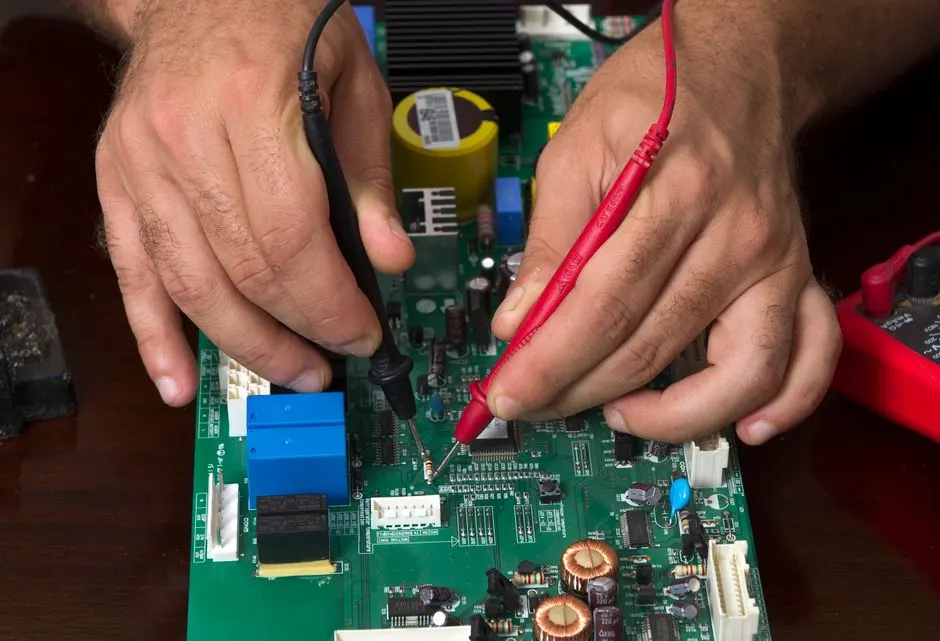
If an outlet in your Rocky Mount home suddenly stops working, the fix is often simpler than you think. You can test it safely yourself in about 15 minutes using a basic multimeter or a plug-in circuit tester, and you'll know whether it's a tripped breaker, a loose wire, or a dead outlet that needs professional attention. This guide walks you through the exact steps we use on service calls, so you can decide whether to tackle it yourself or call a licensed electrician.
We're Emergency Electrician Rocky Mount NC, and we've tested thousands of dead outlets across the city. Most of the time, the problem is a tripped GFCI or a loose backstab connection-both easy to diagnose if you follow a logical sequence. Let's get your power back on.
Why Outlets Stop Working in Rocky Mount
Outlets in Rocky Mount fail for a handful of predictable reasons, and knowing the likely culprit helps you test smarter. The most common cause is a tripped GFCI outlet upstream-especially in kitchens, bathrooms, and garages. These safety devices cut power to themselves and any outlets downstream when they sense a ground fault. If your dead outlet is in a bedroom but the GFCI in the bathroom tripped, the bedroom outlet goes dead too.
The second most common cause is a loose wire connection. In older Rocky Mount homes-especially those built before 1980-outlets were often wired using backstab connections, where the wire is pushed into a hole in the back of the outlet rather than screwed onto a terminal. Over decades, these connections loosen, heat up, and eventually fail. We see this constantly in neighborhoods like North Rocky Mount and East Rocky Mount, where housing stock dates back to the 1950s and 1960s.
A tripped circuit breaker is another frequent culprit. If the breaker for that circuit is in the middle position or fully off, no power reaches the outlet. Less commonly, the outlet itself has simply worn out-the internal contacts lose tension after years of plugging and unplugging, and the outlet stops conducting electricity. Finally, a broken wire or a failed connection at a junction box can kill power to one or more outlets on a circuit.
Understanding these causes matters because your testing approach changes based on what you find. A tripped GFCI takes 10 seconds to fix. A loose backstab connection requires turning off the power and re-terminating the wire. A broken wire inside the wall is a job for a professional.
How Do You Test an Outlet That Stopped Working in Rocky Mount NC?
To test an outlet that stopped working in Rocky Mount NC, start by checking the circuit breaker and any GFCI outlets on the same circuit. If those are fine, use a multimeter or receptacle tester to check for voltage at the outlet. If voltage is present but the outlet still doesn't work, the outlet itself is likely faulty. If no voltage is present, the problem is upstream-either a loose connection or a broken wire.
That's the short answer. The rest of this section breaks down each test so you can perform them in order. Before you touch anything, make sure your hands are dry and you're standing on a dry surface. Electricity and water don't mix, and we've seen too many DIYers get shocked because they skipped that basic precaution.
Step 1: Check the Circuit Breaker
Go to your electrical panel and look for any breaker that's tripped. A tripped breaker sits in the middle position-not fully on, not fully off. To reset it, push it firmly to the OFF position, then flip it back to ON. If the breaker trips again immediately, stop. That indicates a short circuit or overload, and you need a professional to diagnose it. Repeated tripping is a fire hazard, and it's one of the most common reasons we get called for tripping breaker repair Rocky Mount NC.
If the breaker is already on and the outlet still doesn't work, move to the next step.
Step 2: Find and Reset Any GFCI Outlets
GFCI outlets have two buttons: TEST and RESET. Press RESET firmly. If it clicks and stays in, you've restored power. Test the dead outlet again. If it works, you're done-but note which GFCI tripped, because it may indicate a ground fault that needs attention.
If the GFCI won't reset or trips again immediately, there's a ground fault somewhere on the circuit. That's a job for a licensed electrician. We handle these calls daily in Rocky Mount, and we can usually trace the fault in under an hour.
Step 3: Test for Voltage with a Multimeter
Set your multimeter to AC voltage (200V or higher). Insert one probe into the shorter slot (hot) and the other into the longer slot (neutral). You should read between 110 and 125 volts. If you get a reading, the outlet has power-but if a lamp still doesn't turn on, the outlet's internal contacts are worn out and the outlet needs replacing.
If you read 0 volts, the problem is upstream. Turn off the breaker for that circuit and inspect the outlet's wiring. Look for loose screws, backstab connections that have pulled out, or signs of overheating (discolored wire, melted insulation). If everything looks tight, the issue is likely at another outlet or junction box on the same circuit.
Step 4: Check Other Outlets on the Same Circuit
Dead outlets often travel in groups. If two or more outlets in the same room or adjacent rooms are dead, they likely share a circuit. The problem could be at the first dead outlet in the chain-or at the last working outlet before it. Turn off the power and inspect each outlet on that circuit for loose wires. In our experience, the fault is usually at the outlet closest to the dead one.
What Tools You Need for Dead Outlet Testing in Rocky Mount NC
You don't need a van full of equipment to test a dead outlet. A basic multimeter costs $20-$40 at any hardware store in Rocky Mount, and a plug-in receptacle tester runs about $10-$15. Both will tell you whether voltage is present and whether the outlet is wired correctly.
Here's what we recommend keeping on hand:
- Digital multimeter - for reading exact voltage and testing continuity.
- Receptacle tester - plugs into the outlet and uses lights to indicate wiring problems.
- Non-contact voltage tester - a pen-style tool that beeps when it detects live voltage. Great for a quick safety check before you touch any wires.
- Flathead and Phillips screwdrivers - for removing the outlet cover and loosening terminal screws.
- Flashlight or headlamp - you'll be working with the power off, so you need light.
If you don't own these tools and don't plan to use them again, it's cheaper to call us than to buy them. A basic diagnostic visit costs less than a mid-range multimeter, and we'll pinpoint the problem in minutes.
Step-by-Step: How to Test an Outlet That Stopped Working in Rocky Mount NC
Follow this sequence exactly. It's the same process our technicians use, and it eliminates guesswork.
- Turn off the power at the breaker. Never work on an outlet with the power on. Flip the breaker to OFF and use your non-contact voltage tester to confirm the outlet is dead.
- Remove the outlet cover and pull the outlet out of the box. Take out the two screws holding the outlet to the box, then gently pull it forward. Don't yank-wires are attached.
- Inspect the wiring. Look for loose screws, backstab connections that have pulled out, or signs of heat damage. If you see melted insulation or blackened wires, stop and call a professional. That's a fire risk.
- Test for voltage at the wires. With the power still off, set your multimeter to continuity mode. Touch one probe to the hot wire (black) and the other to the neutral wire (white). You should read continuity if the outlet is part of a complete circuit. If not, the break is upstream.
- Check the outlet itself. If voltage is present at the wires but the outlet doesn't work, the outlet is faulty. Replace it with a new one of the same amperage rating (usually 15A or 20A).
- Reassemble and restore power. Once you've made repairs, tuck the wires back into the box, screw the outlet in place, and replace the cover. Turn the breaker back on and test with a lamp or receptacle tester.
If you complete all six steps and the outlet still doesn't work, the problem is likely a broken wire inside the wall or a failed connection at a junction box. That's when you need a professional. We handle outlet repair Rocky Mount every day, and we can trace the fault without tearing up your walls.
Common Mistakes to Avoid When Testing a Dead Outlet in Rocky Mount
The biggest mistake we see is testing an outlet while the power is still on. It's tempting to skip the breaker step, but one wrong move can send 120 volts through your body. Always verify the power is off with a non-contact tester before you touch any wires.
Another common error is assuming the problem is at the dead outlet. In most cases, the fault is upstream-at a GFCI, a breaker, or another outlet on the same circuit. If you replace the dead outlet and it still doesn't work, you've wasted time and money. Test the whole circuit, not just the one outlet.
Using the wrong replacement outlet is a third mistake. Outlets come in 15-amp and 20-amp versions, and they're not interchangeable. If you install a 15-amp outlet on a 20-amp circuit, you create a fire hazard. Check the amperage rating on the old outlet and match it exactly.
Finally, don't ignore signs of heat damage. Discolored wires, melted insulation, or a burning smell near the outlet mean the circuit is overheating. That's a serious fire risk. Turn off the breaker and call us immediately. We specialize in burning smell electrical repair Rocky Mount NC and can make the repair safely.
When to Call a Professional
Call a professional if you've reset the breaker and GFCI, tested for voltage, and still have no power. That points to a broken wire or a failed connection inside the wall-both of which require specialized tools and code knowledge to fix safely. You should also call if you see sparks, smell burning, or notice a buzzing sound from the outlet or panel. These are signs of a serious electrical fault that can start a fire.
We handle these calls every day in Rocky Mount. Our team arrives in a fully stocked truck, diagnoses the problem in minutes, and makes the repair on the spot. We carry common outlets, breakers, and wire nuts, so most jobs are done in a single visit. If you're dealing with a dead outlet that's part of a larger issue-like a partial power loss repair Rocky Mount NC-we can trace it back to the source and fix it right the first time.
We also handle emergency calls after hours and on weekends. If your outlet is sparking or you smell burning, don't wait. Call us at (252) 589-3804 and we'll be there.
Frequently Asked Questions
How do I test an outlet that stopped working in Rocky Mount NC?
Start by checking the circuit breaker and resetting any GFCI outlets on the same circuit. If those are fine, use a multimeter to test for voltage at the outlet. If voltage is present but the outlet doesn't work, replace the outlet. If no voltage is present, the problem is upstream and likely needs a professional.
Why did my outlet stop working in Rocky Mount?
The most common causes are a tripped GFCI, a tripped breaker, or a loose backstab connection. In older Rocky Mount homes, backstab connections fail frequently due to age and heat. Less commonly, the outlet itself wears out or a wire breaks inside the wall.
Can I fix a dead outlet myself in Rocky Mount North Carolina?
Yes, if the problem is a tripped breaker or GFCI, you can fix it yourself in minutes. If the outlet itself is faulty, you can replace it if you're comfortable working with electricity and follow safety precautions. However, if you see sparks, smell burning, or find damaged wiring, call a licensed electrician.
Who to call for an outlet that stopped working near me in Rocky Mount?
Call a licensed electrician like Rocky Mount RapidSpark. We diagnose and repair dead outlets, tripped breakers, and wiring faults throughout Rocky Mount. We offer same-day service and can usually fix the problem in one visit. Call (252) 589-3804.
How much does outlet repair cost in Rocky Mount?
Typical 2026 pricing for outlet repair in Rocky Mount ranges from $75 to $150 for a simple outlet replacement, and $150 to $300 if the problem requires tracing a fault through the circuit. Emergency calls after hours may cost slightly more. We provide upfront pricing before we start work.
Get Help with Emergency Electrician in Rocky Mount
If you've tested your outlet and still don't have power, or if you're seeing sparks or smelling burning, don't wait. We're available 24/7 to diagnose and repair dead outlets, tripped breakers, and electrical faults throughout Rocky Mount.
Call Rocky Mount RapidSpark at (252) 589-3804 for fast, safe, and affordable electrical repairs.